
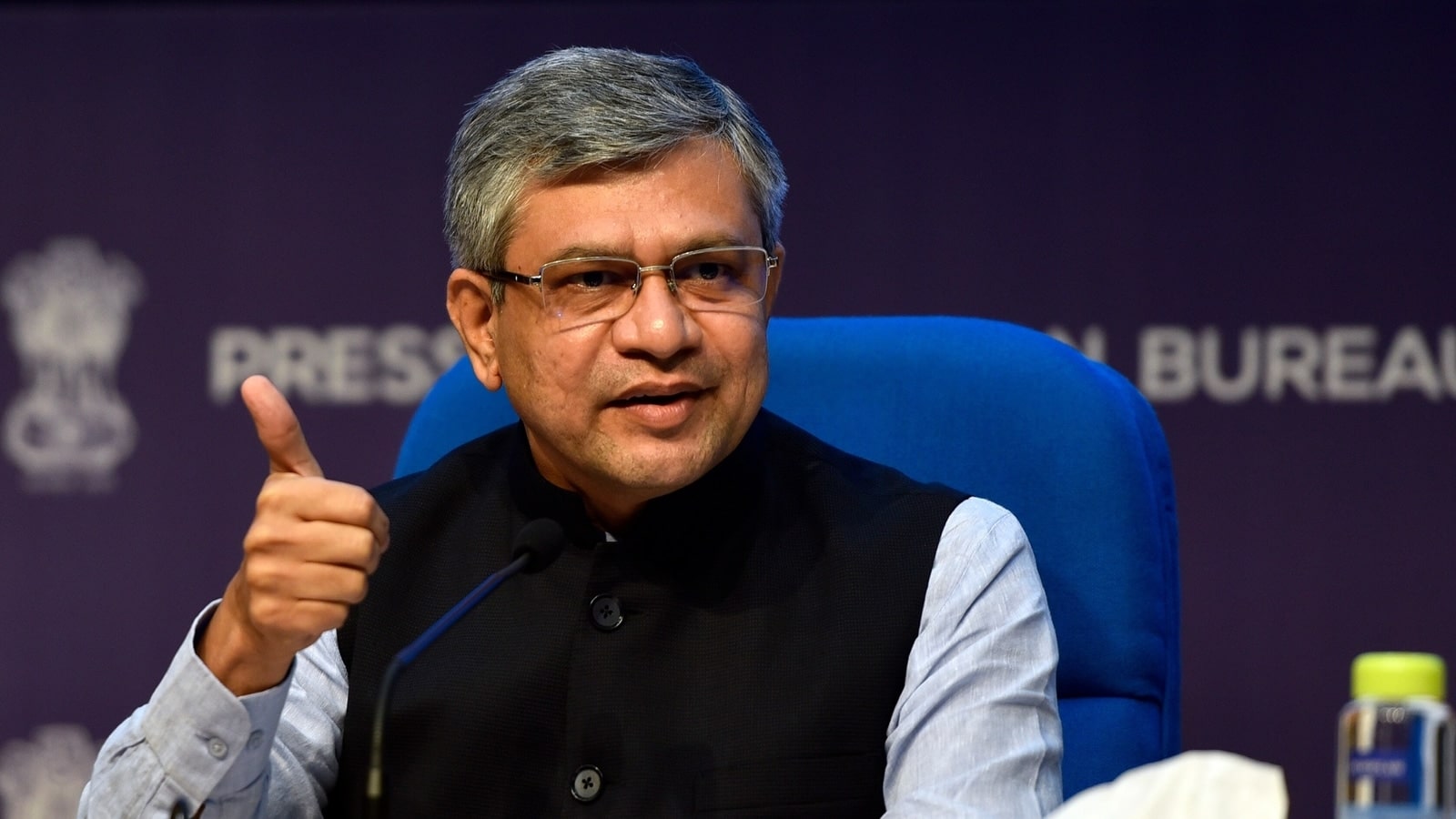
Ashwini Vaishnaw Urges Indians to Embrace Home-Grown Software, Switches to Zoho Tools
In a significant move to promote India’s growing digital independence, Union Minister for Electronics and Information Technology Ashwini Vaishnaw announced that he has switched from foreign software products to Zoho’s productivity tools, urging India’s 1.4 billion citizens to consider doing the same. The minister’s decision reflects the government’s broader push toward “Swadeshi” (indigenous) technology platforms and digital self-reliance.
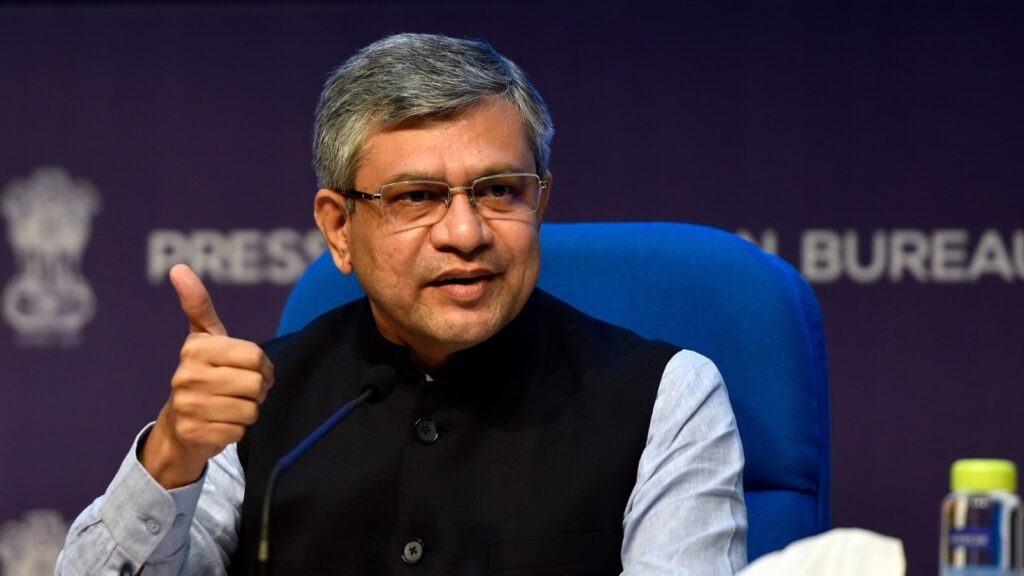
Speaking at a recent technology event, Vaishnaw emphasized the importance of nurturing India’s domestic software ecosystem. He noted that while Indian talent has long powered global tech giants, the time has come to strengthen home-grown companies that are delivering high-quality products on par with international standards. “We must adopt our own platforms with pride,” he stated, encouraging individuals, organizations, and institutions to explore alternatives developed by Indian firms.
Zoho, one of India’s most successful software-as-a-service (SaaS) companies, offers a wide suite of productivity tools — including email, document management, customer relationship management (CRM), and finance applications. Founded by Sridhar Vembu, Zoho has gained global recognition for its ethical business model, data privacy focus, and commitment to building technology entirely in India. Vaishnaw’s public endorsement of Zoho is seen as both a symbolic and strategic step toward fostering digital sovereignty.
The call for adopting indigenous technology aligns with the government’s Digital India initiative, which aims to empower citizens through technology built, maintained, and secured within the country. The movement also resonates with the “Atmanirbhar Bharat” (self-reliant India) vision, which seeks to reduce dependency on foreign digital infrastructure and promote innovation from within the nation.
Industry experts have welcomed the minister’s move, calling it a milestone in the Indian SaaS ecosystem. According to analysts, the endorsement could inspire other government departments, educational institutions, and private enterprises to evaluate Indian-built software solutions. By adopting domestic platforms, India could also strengthen its data security, reduce costs, and generate employment opportunities in the local tech sector.
However, some experts caution that the transition from globally established software ecosystems to domestic alternatives must be handled strategically. They emphasize the need for robust user training, improved integration capabilities, and strong government support to ensure smooth adoption across large organizations. For Zoho, the minister’s endorsement reinforces its status as a global leader with Indian roots. The company has consistently advocated for technological independence and privacy-focused business practices, often taking a stand against aggressive data monetization models used by global competitors.
Vaishnaw’s move is more than a personal software switch — it is a national statement about confidence in Indian innovation. His appeal encourages citizens and institutions alike to reimagine their digital choices and align them with the country’s long-term technological goals. As India continues to emerge as a global tech powerhouse, embracing “Swadeshi” platforms like Zoho could redefine the nation’s digital identity and pave the way for a more self-reliant digital future.